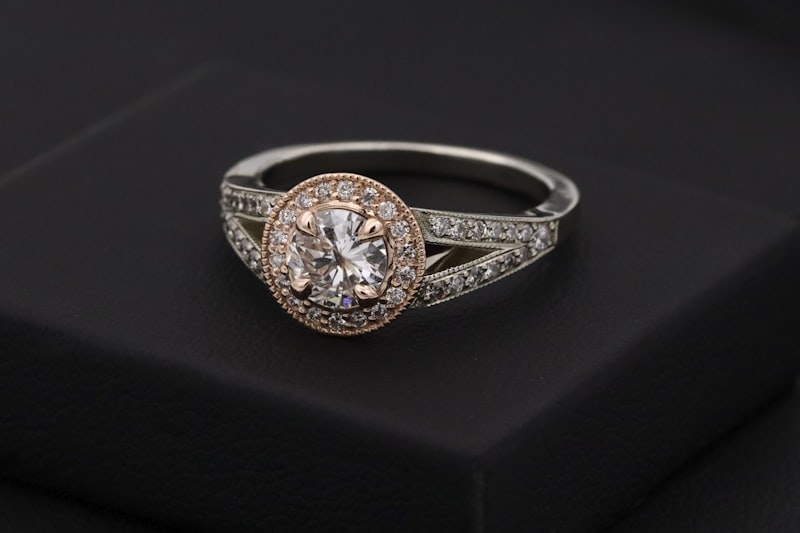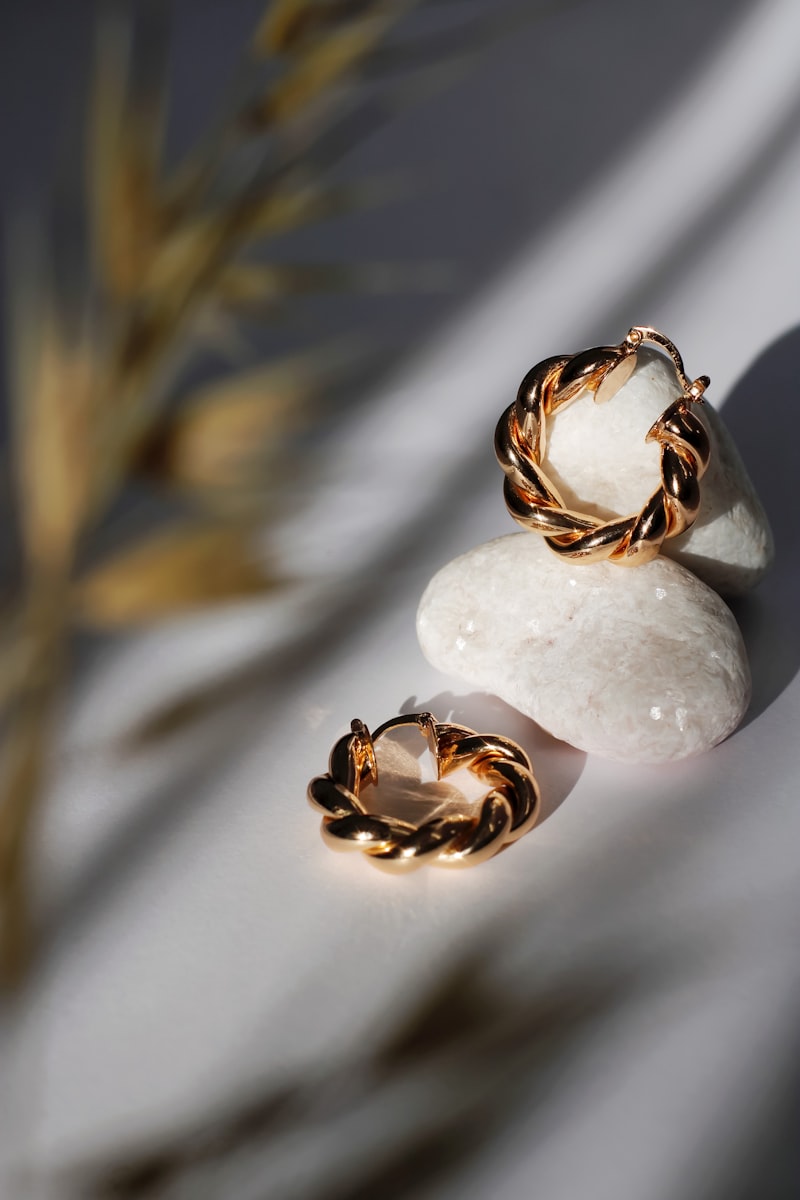
Rings loosen, prongs wear thin, and clasps eventually fail — it's the normal cost of wearing jewelry every day, not a sign of poor quality. Here's what Bergen County residents should know before bringing a piece in for resizing or repair.
How Ring Resizing Works
Most rings can be sized up or down by a jeweler cutting the band, adjusting its length, and re-soldering the seam, then polishing the join until it's invisible. Simple bands in gold or platinum can typically be sized within a day or two. Rings with stones set all the way around the band — eternity bands, for example — are more complex, since the band can't simply be cut and stretched without disturbing the stones, and may need a different approach entirely.
What Can (and Can't) Be Resized
- Easily resized: plain bands, most solitaire settings, and rings with stones only at the top
- More involved: rings with pavé or milgrain detailing that runs around the entire band
- Limited or not resizable: full eternity bands and some tension-set styles, where the setting itself relies on the band's original size
If you're unsure which category your ring falls into, bring it in — a jeweler can tell at a glance and explain the options, including whether a partial resize or an alternative fix makes more sense.
Common Repairs Beyond Resizing
Prong retipping and rebuilding is the most common repair we see, since prongs wear down gradually from daily contact with clothing, countertops, and everyday life — often long before a stone is at real risk of falling out, but it's worth catching early rather than late. Clasp replacement on necklaces and bracelets, chain re-soldering, and stone tightening round out the most frequent requests. For pieces you wear constantly, an annual check-up catches this kind of wear before it becomes a lost-stone emergency.
Rhodium replating is another frequent request, specifically for white gold pieces, which are typically plated with rhodium to give them their bright white finish. That plating wears thin with daily contact over one to two years, and the underlying gold takes on a slightly yellow cast as a result — a quick replating restores the original color without touching the piece's structure.
Turnaround Times
Simple resizing and prong tightening are often same-day or next-day services. More involved repairs — full prong rebuilds, clasp replacement, or resizing a heavily detailed band — typically take one to two weeks, since they involve more careful hand work and, in some cases, custom-matched metal. If you have a deadline, mention it up front so the shop can plan accordingly rather than rushing delicate work.
Choosing a Jeweler for Repair Work
Repair work is done in-house at some shops and sent out to a third party at others — ask which applies, since in-house work is generally faster and easier to follow up on if something isn't right. It's also worth asking whether the jeweler works on pieces they didn't originally sell; most reputable shops do, and a jeweler's willingness to service outside pieces is a reasonable signal of how they'll treat their own customers' repairs too. Insurance coverage on higher-value pieces is worth checking as well — a shop that carries insurance on jewelry left for repair protects you against loss or damage while the piece is out of your hands, which is a meaningful difference when it's a piece you can't easily replace.
Preventing Repairs Before They're Needed
Routine care goes a long way toward avoiding emergency repairs. For daily wear pieces, our engagement ring care guide covers cleaning and storage habits that reduce wear on prongs and settings over time, and a periodic professional cleaning gives a jeweler the chance to spot a loosening stone before it becomes a repair.
How to Tell If a Repair Is Urgent
Not every repair needs to happen immediately, but a few warning signs mean you shouldn't wait. If a stone visibly moves or rattles when you gently tap the ring near your ear, stop wearing it and bring it in — a moving stone can be lost within days, not months. A prong that looks noticeably thinner or flatter than the others around the same stone is also worth acting on quickly, since it's usually a sign of gradual wear that's reached its limit. On the other hand, a ring that simply feels a little loose or tight, or a clasp that's stiff but still functional, can typically wait for a routine appointment rather than requiring an emergency visit.
Repair or Replace: When a New Setting Makes More Sense
Occasionally a piece has been repaired so many times — prongs rebuilt, a band re-soldered more than once — that a jeweler will recommend a new setting rather than another patch. This isn't an upsell; a band that's been cut and re-soldered repeatedly loses structural integrity at the seam over time, and a shank that's been thinned by repeated resizing eventually needs to be rebuilt rather than adjusted again. A good jeweler will tell you plainly when a piece is approaching that point, and will usually offer to reuse the original stones in a new setting rather than starting over from scratch.
Bring Your Ring to Our Paramus Showroom
We handle resizing and repairs in-house at our Route 4 showroom and serve customers throughout Bergen County, including Oradell, River Edge, and Tenafly. Stop by for a quick evaluation or call (201) 488-4280 to ask about turnaround time before you come in.
Prestige Diamonds NJ
327 E State Route 4, Paramus, NJ 07652
(201) 488-4280