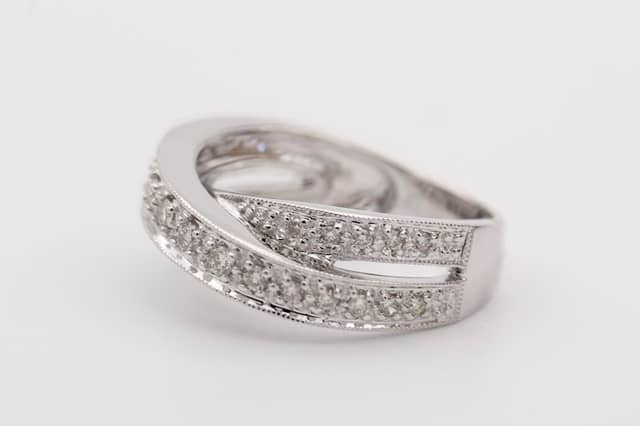
To clean a diamond ring at home, soak it in warm water with a few drops of mild dish soap, brush gently with a new, soft toothbrush (especially behind the stone), rinse and dry with a lint-free cloth. That is GIA's own method. Skip bleach, toothpaste and other abrasives, be careful with ultrasonic cleaners, and have a jeweler clean and check the prongs about twice a year.
How do you clean a diamond ring at home?
- Soak. GIA recommends "a gentle degreasing solution, such as water with a few drops of mild dish soap, once or twice a week" (GIA, Secrets to Keeping Your Diamond Sparkling).
- Brush. Use "a soft, clean toothbrush," new and "reserved exclusively for cleaning your jewelry," and focus on the back of the diamond, "which tends to collect the most oil and dirt."
- Rinse and dry. Rinse in water and dry with a soft, lint-free cloth. Close the sink drain first.
Why it gets dull so fast: GIA notes that diamonds "are natural magnets for grease," and the oil from your fingers clings to the surface and cuts brilliance and fire. Lotion and soap build up under the stone the same way.
Can you clean a diamond ring with vinegar, baking soda or toothpaste?
Stick with dish soap. GIA is direct about what to avoid: "Chlorine bleach or abrasives (such as household cleansers or toothpaste) should never be used when cleaning diamond jewelry. Chemicals like chlorine can damage some of the metals used to alloy gold for diamond settings and abrasives can scratch gold and other metals." Gritty pastes and harsh household cleaners fall in the same category, and none of them clean better than warm, soapy water.
Are ultrasonic cleaners safe for diamond rings?
Sometimes. Ultrasonic cleaners remove caked-on dirt, but GIA warns they "can also shake loose stones from their mountings or chip the girdles of diamonds that are set next to each other," and should be avoided if a diamond has been fracture-filled. GIA's advice is to have a jeweler check for loose stones before any ultrasonic cleaning, and to treat fragile pieces, such as older prongs on antique jewelry or tension settings, gently. Our professional cleaning uses ultrasonic and steam cleaning after the settings are checked.
How do you care for a white gold diamond ring?
Most white gold is plated with rhodium for its bright white color, and the FTC treats that plating as something sellers must disclose: "It is unfair or deceptive to fail to disclose a surface-layer application of rhodium on products marked or described as precious metal" (16 CFR 23.7). The plating wears thin with daily wear, usually over one to two years in our experience, and the warmer metal underneath starts to show. Replating restores the color; it is part of our repair service. Yellow and rose gold have no plating to maintain.
Do lab-grown diamonds need different care?
No. GIA says lab-grown diamonds have "nearly the same chemical, optical and physical properties as natural diamonds" (GIA), so the same soap-and-water routine and the same cautions apply. What wears out is the setting, not the stone.
How often should a diamond ring be professionally cleaned?
| How often | What to do |
|---|---|
| Weekly to monthly | Home soak and soft brush |
| Every six months | Professional cleaning and prong inspection |
| Once a year | Full inspection; a good time to update an insurance appraisal |
Halo and pavé rings collect dirt in more places; GIA notes that such settings "may require more frequent cleaning than simpler styles." Details on each setting are in our settings guide.
How should you store and wear diamond jewelry?
- Store each piece in its own pouch or compartment; diamonds can scratch other jewelry.
- Handle the ring by the band, not the stone, to keep oil off the diamond.
- Take it off for heavy work, the gym and household cleaning products.
- Watch the prongs: if one looks thinner or flatter than the others, or the stone rattles when you tap the ring gently near your ear, stop wearing it and bring it in.
If your ring is insured, keep its documents current; our jewelry insurance guide explains what insurers ask for. For a cleaning or inspection at our Paramus showroom, call (201) 488-4280 or request a time.