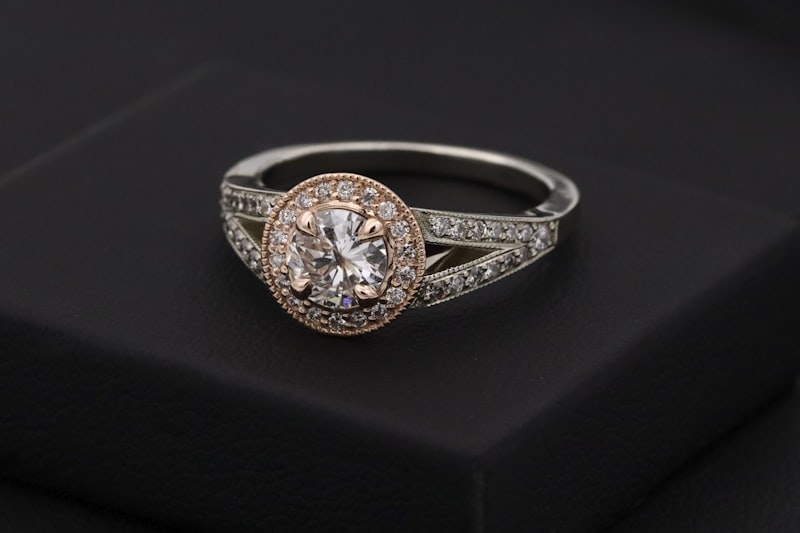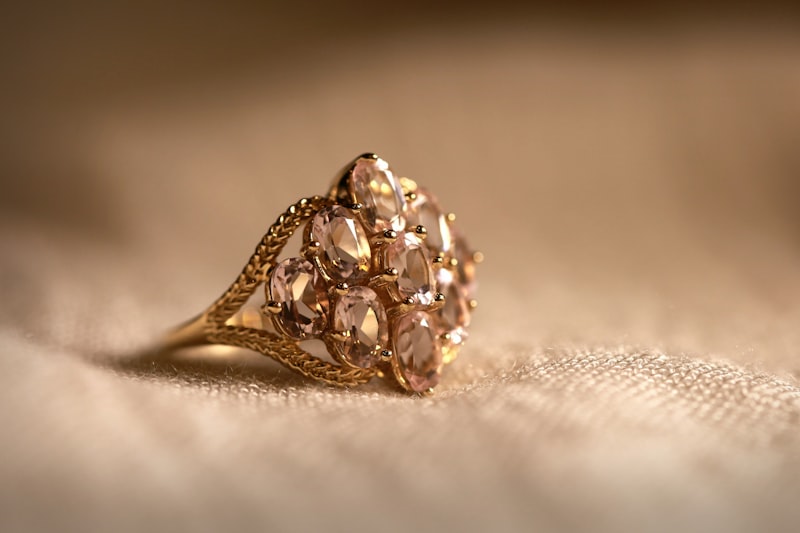
Whether it's a broken chain in a drawer, mismatched earrings, or an outdated setting you no longer wear, unused gold jewelry has real value — but only if you sell it somewhere that evaluates it honestly. Here's how the process actually works for Bergen County residents deciding where to sell.
How Gold Jewelry Is Actually Valued
Gold is priced by weight and purity, not by the sentimental or original retail price of the piece. Purity is measured in karats — 24K is pure gold, while 14K and 18K are common alloy blends that are more durable for everyday wear. A reputable buyer will test purity (usually with an electronic tester or acid test), weigh the piece on a calibrated scale, and calculate value against the current spot price of gold, which moves daily. Any stones are typically valued separately from the metal, since a buyer paying for gold weight isn't set up to also grade a diamond or gemstone in the same transaction.
Spot price is usually quoted per troy ounce in financial markets, but a jeweler buying your pieces will typically convert that to a per-gram rate, since most jewelry is a fraction of an ounce. It's reasonable to ask a buyer to show you both the day's spot price and the math behind your specific quote — a transparent buyer will walk you through it without hesitation.
What Affects Your Payout
Three factors matter most: karat purity, weight, and the day's spot price. A piece marked 18K will weigh in at a higher payout per gram than an identical-looking 14K piece, because more of its weight is actual gold. Condition matters less than people expect — a bent chain or a scratched band is still valued primarily by its gold content, not its cosmetic state, since most gold sold this way is melted down and refined rather than resold as-is.
Questions to Ask Before You Sell
- Is the price based on today's spot price, and can you show me the current rate?
- Do you weigh and test the piece in front of me?
- Is there a minimum purchase or a fee for testing?
- Do you buy broken or mismatched pieces, not just complete sets?
- Will you give me a written receipt with the weight and purity recorded?
A buyer who hesitates to answer any of these, or who tests your jewelry out of view, is worth walking away from.
Local Buyer vs. Mail-In Services
Mail-in gold buyers advertise convenience, but you lose the ability to watch your jewelry weighed and tested, and disputes over their stated weight are difficult to resolve after the fact. A local, established jeweler in Bergen County has a storefront, a reputation, and a reason to treat every transaction fairly — repeat business and referrals matter more to a local shop than a single transaction ever could.
Selling vs. Trading Toward a New Piece
If part of what you're selling has sentimental value, ask about trade-in credit toward a new piece instead of a straight cash sale. Many Bergen County jewelers, ours included, will apply the value of old gold toward something new — a practical way to turn jewelry you no longer wear into something you will. This is especially common when someone is upgrading an engagement ring or consolidating several older pieces into one new design.
Common Misconceptions About Selling Gold
A surprising number of people assume a piece needs to be "real gold" stamped clearly and in good condition to have value — neither is strictly true. Unmarked pieces can still be tested and valued accurately; a stamp is a convenience for the buyer, not a requirement for the metal to be worth something. Likewise, a piece doesn't need to be wearable or complete: a single earring, a snapped chain, or a setting with a missing stone still carries its full gold value, since it's being weighed and refined rather than resold intact. The other common misconception is that spot price is fixed for the day — it actually moves throughout trading hours, so a quote can shift slightly if you come back the next day or even later the same afternoon.
What to Bring and How Payment Works
You don't need paperwork or a receipt to sell gold jewelry, though it can help if the piece is a known brand or has documentation of its karat weight. What you do need is a valid government-issued ID, since reputable buyers are required to record identification on precious metal purchases as a standard anti-theft protection for both parties. Once a piece is tested, weighed, and you've agreed to the price, payment is typically immediate — most local buyers pay in cash or by check on the spot rather than requiring you to wait for a check to be mailed, which is one of the clearer advantages of selling in person over a mail-in service.
What We Offer in Paramus
At our Paramus showroom, we test and weigh gold jewelry in front of you, price it against the current spot rate, and offer both cash and trade-in options — including credit toward pieces from our necklace and bracelet collections. We serve customers from across Bergen County, including Teaneck, Englewood, and Fort Lee.
Visit Our Paramus Showroom
Bring your gold jewelry to 327 E State Route 4, Paramus, NJ for a no-obligation evaluation, or call (201) 488-4280 with questions before you come in. See our full service area for directions from your town.
Prestige Diamonds NJ
327 E State Route 4, Paramus, NJ 07652
(201) 488-4280