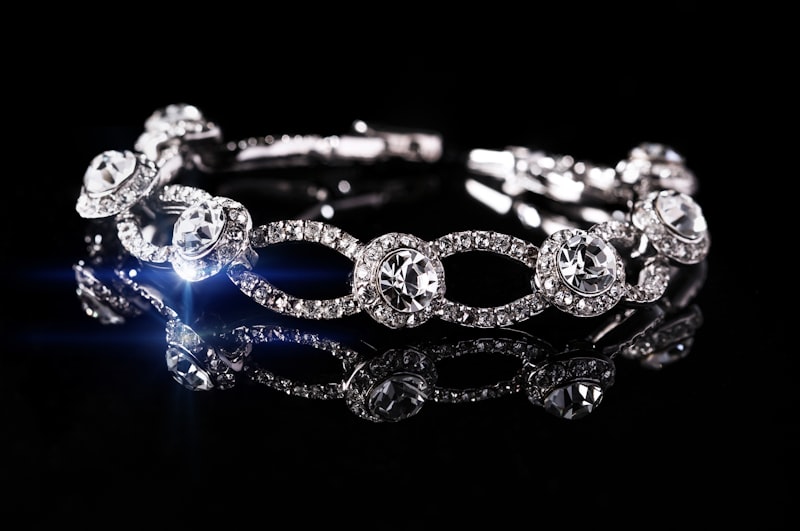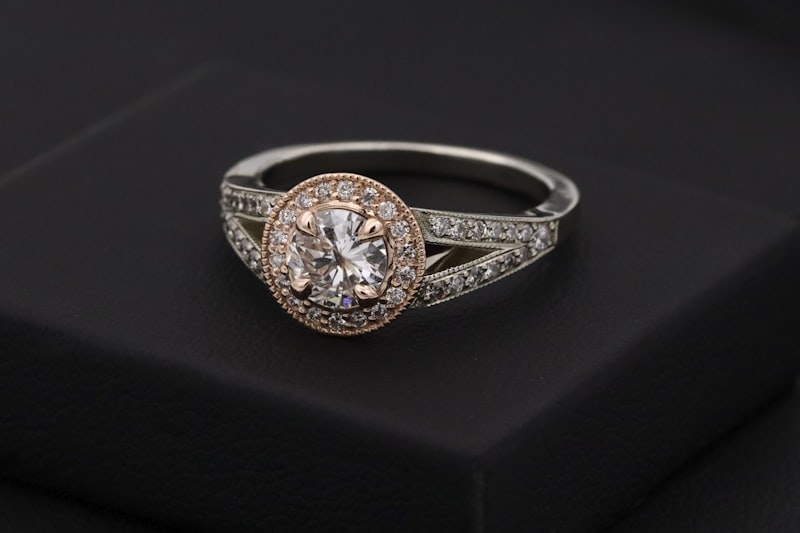
Estate and antique jewelry offers something no modern piece can replicate: history, character, and craftsmanship from a bygone era. Whether you're drawn to the romance of Victorian designs, the geometric precision of Art Deco, or the bold glamour of Retro pieces, understanding what to look for ensures you make a purchase you'll treasure.
Understanding Jewelry Eras
Jewelry periods are defined by their design characteristics, materials, and cultural influences:
Georgian (1714–1837)
Extremely rare and valuable. Handcrafted with rose-cut and old mine-cut diamonds set in silver-topped gold. Designs feature nature motifs, bows, and floral elements. If you find genuine Georgian jewelry, it's a significant collector's piece.
Victorian (1837–1901)
Named for Queen Victoria's reign, this era saw three distinct phases. Early Victorian (Romantic) featured serpent motifs and floral designs. Mid-Victorian (Grand) embraced darker stones after Prince Albert's death. Late Victorian (Aesthetic) used lighter, more whimsical designs with diamonds and lighter gemstones.
Edwardian (1901–1915)
Characterized by lace-like filigree work in platinum, delicate milgrain detailing, and the use of diamonds and pearls. Edwardian pieces are among the most feminine and intricate in jewelry history.
Art Deco (1920–1935)
Bold geometric patterns, symmetrical designs, and the use of contrasting colors (diamonds with onyx, sapphires, or emeralds). Art Deco pieces are among the most sought-after in the estate market, prized for their striking modernity even a century later.
Retro (1935–1950)
Large, bold, three-dimensional designs in rose and yellow gold. Hollywood glamour influenced dramatic cocktail rings, massive brooches, and tank-style bracelets. Gold was preferred over platinum (which was reserved for wartime use).
What to Look For
- Hallmarks: Look for stamps indicating metal purity, maker's marks, and country of origin
- Craftsmanship: Examine the quality of stone setting, engraving, and metalwork under magnification
- Condition: Assess wear, missing stones, repairs, and overall structural integrity
- Diamond cuts: Period-appropriate cuts (old mine, old European, rose cut) help authenticate the era
- Provenance: Documentation of ownership history adds value and interest
Value Considerations
Estate jewelry can offer remarkable value. You often get more carat weight and higher-quality craftsmanship per dollar compared to new pieces. Additionally, estate pieces with historical significance or from prestigious makers (Cartier, Tiffany, Van Cleef & Arpels) can appreciate substantially over time.
However, be aware that restoration costs can add up. Missing stones need to be sourced in period-appropriate cuts, and structural repairs on antique pieces require specialized skills. Factor these costs into your purchase decision.
Red Flags
- Modern findings (clasps, posts) on supposedly antique pieces
- Machine-made precision on pieces claimed to be hand-fabricated
- Prices significantly below market for the stated era and quality
- No documentation or refusal to allow independent authentication
At Prestige Diamonds in Paramus, NJ, our gemologists can help you evaluate estate pieces and identify authentic antique jewelry. Whether you're buying or selling estate jewelry, our 35+ years of expertise ensures you get honest, informed guidance. Visit us at 327 E State Route 4, or call (201) 488-4280.