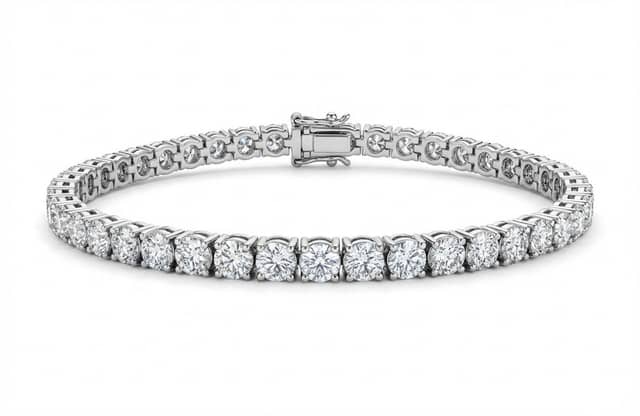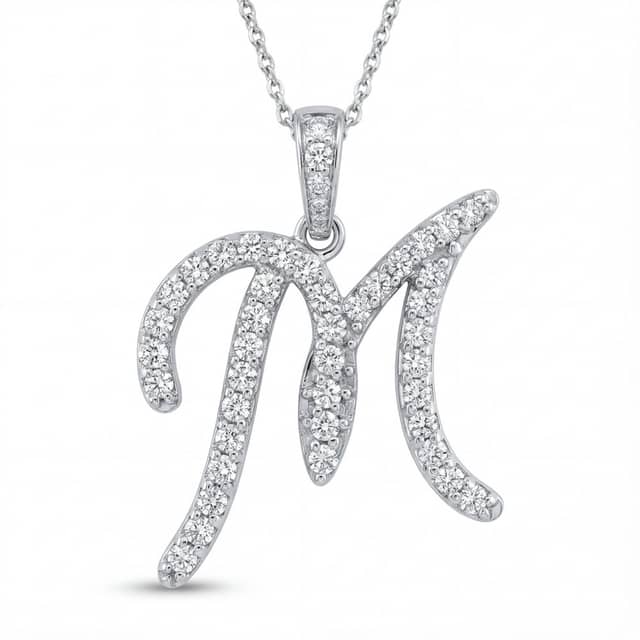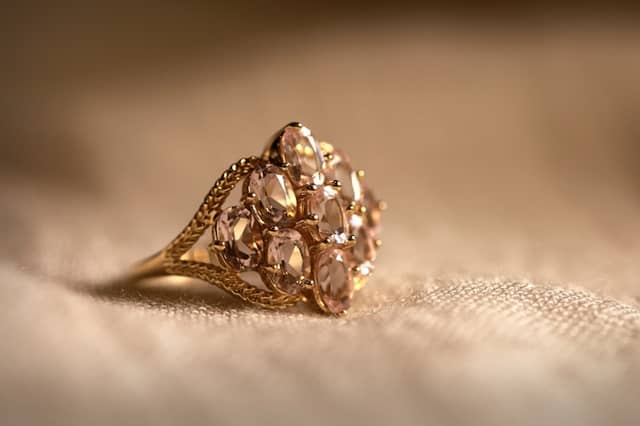
A standard homeowners or renters policy covers jewelry, but theft is usually capped at a low limit, generally about $1,500, according to the Insurance Information Institute. For an engagement ring worth more than that, or to cover accidental loss such as a stone falling out or a ring going down a drain, you need to schedule it on a floater, which typically requires a professional appraisal.
Does homeowners insurance cover jewelry?
Yes, with limits. The Insurance Information Institute (Triple-I) explains that a standard homeowners policy covers jewelry "for losses caused by all the perils included in your policy such as fire, windstorm, theft and vandalism," but that "the standard policy has a relatively low limit of liability for theft—generally about $1,500" (Triple-I, Special coverage for jewelry and other valuables). That limit is per policy terms, so read yours; it is often far below what an engagement ring costs.
Does homeowners insurance cover lost jewelry?
Usually not. Losing a ring is not one of the named perils in a standard policy. Triple-I notes that a floater covers "losses of any type, including those your homeowners insurance policy will not cover, such as accidental losses—say, dropping your ring down the kitchen sink drain or leaving an expensive watch in a hotel room."
How do you insure an engagement ring?
Triple-I describes two ways to raise coverage:
- Raise the limit on your policy. Cheaper, but still capped; Triple-I's example is "$2,000" per piece with "the overall limit at $5,000."
- Schedule the piece on a floater. More costly, but "the broadest protection for valuables," covering accidental loss as well as theft. "Before purchasing a floater, the items covered must be professionally appraised."
Specialty jewelry insurers also sell standalone policies. Get quotes from your current insurer and at least one specialist, and compare the deductible, whether claims are paid in cash or replaced through a jeweler, and whether the policy covers loss worldwide.
Is jewelry insurance worth it?
Compare the ring's value with your policy's theft limit. If the ring is worth more than the limit, or you would struggle to replace it out of pocket, scheduling it is usually worth the premium. For reference, rings in our catalog run from $899.99 to $3,309.99 and our largest necklace is $5,999.99 (as listed October 21, 2026), so many pieces exceed a $1,500 theft limit. For a low-value piece, the deductible may make a claim pointless.
What documents should you keep for jewelry insurance?
- The receipt and full description: metal and karat, total carat weight and whether the stones are lab-grown or mined. An accurate description matters at claim time; under the FTC's Jewelry Guides, lab-grown stones must be described as lab-grown (16 CFR 23.25).
- A professional appraisal, which a floater requires. Triple-I suggests asking your insurance professional to recommend a reputable appraisal firm.
- Any lab report and its number. GIA reports for lab-grown diamonds issued since October 1, 2025 use "Premium" or "Standard" descriptions and are laser-inscribed with the report number (GIA).
- Clear photos of the piece from several angles, stored with your home inventory.
How do you lower the chance of a claim?
Most lost stones start with a worn prong. GIA notes that prongs "may require re-tipping—the process of rebuilding worn prong tips by adding metal—to keep gemstones securely in place" (GIA, Guide to Engagement Ring Settings). We recommend a professional cleaning and prong check every six months for rings worn daily, and a full inspection once a year, which is also a good time to update an appraisal. Both are part of our cleaning and inspection service, and worn prongs can be retipped through our repair service. Our care guide covers what to do at home.
Buying a ring to insure? Browse our lab-grown diamond rings or visit the Paramus showroom.
This article is general information, not insurance advice. Coverage terms vary by policy and insurer; confirm details with your insurer or agent.