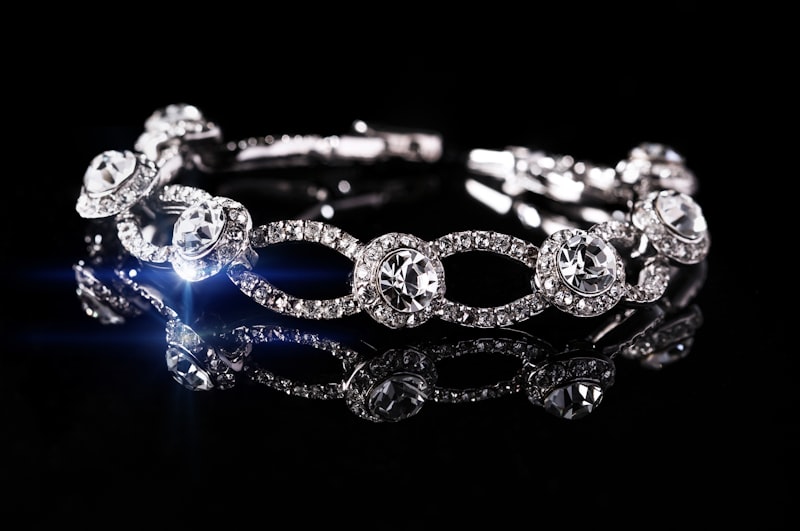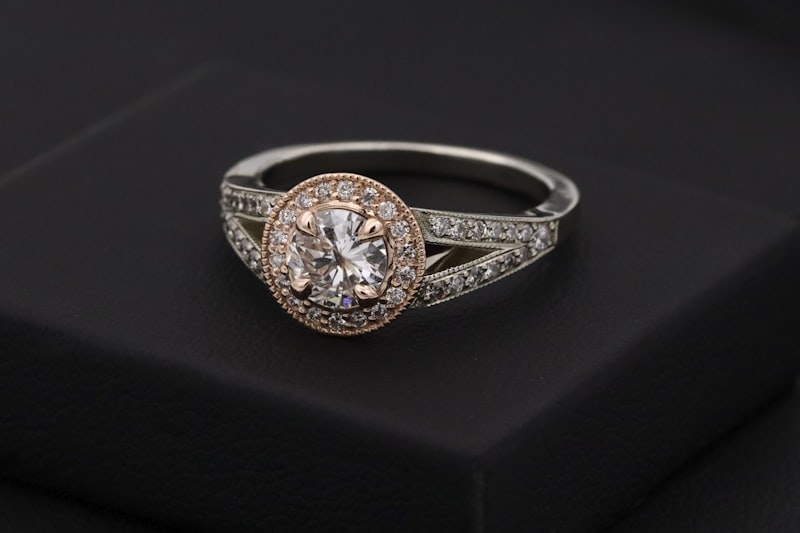
After helping thousands of couples choose engagement rings over 35+ years, we've seen the same mistakes repeated again and again. Some cost money, others cause disappointment, and a few lead to genuine regret. Here are the ten most common pitfalls and how to avoid every one of them.
1. Prioritizing Carat Weight Over Cut Quality
This is the #1 mistake we see. Buyers fixate on getting the biggest diamond possible and sacrifice cut quality to stay within budget. A poorly cut 1.5-carat diamond will look dull and lifeless compared to a well-cut 1.2-carat stone. Cut determines how much a diamond sparkles—it's the single most important factor in beauty. Always buy the best cut grade you can afford.
2. Overspending on Clarity
There's a huge price difference between VVS1 and VS2, but in most cases, zero visible difference to the naked eye. Unless you're buying for investment purposes, an eye-clean VS2 or even SI1 offers incredible value. Put those savings toward a better cut or larger size instead.
3. Not Seeing the Diamond in Person
Online images and videos can be misleading. Lighting is optimized, backgrounds are controlled, and you can't assess the true brilliance and fire of a diamond through a screen. Every diamond has a unique personality that you can only fully appreciate in person. At minimum, buy from a vendor with a generous return policy.
4. Ignoring the Setting
Many buyers spend all their time choosing the diamond and rush through the setting selection. The setting is what your partner sees and wears every day. It affects how the diamond looks, how comfortable it is, and how well the ring will age. Take as much time choosing the setting as you do the stone.
5. Forgetting About Lifestyle
If your partner works with their hands, exercises frequently, or has an active lifestyle, a towering cathedral setting with exposed prongs may not be practical. Consider low-profile settings, bezel mounts, or sturdy designs that protect the diamond during daily activities.
6. Shopping Without Research
Walking into a jewelry store knowing nothing about diamonds puts you at a significant disadvantage. Take a few hours to learn the 4Cs basics before you shop. You don't need to become an expert, but understanding fundamentals helps you communicate your priorities and evaluate options intelligently.
7. Buying from Unverified Sources
Always insist on a GIA or AGS certificate for your diamond. These independent grading reports verify the diamond's quality characteristics. In-house certificates from jewelry stores are often inflated—a diamond graded "Excellent" by a store may grade significantly lower by GIA standards.
8. Following the "Two Months' Salary" Rule
This "rule" was invented by De Beers in the 1930s as a marketing campaign. There is no rule. Spend what makes financial sense for your situation. A beautiful diamond engagement ring can be found at virtually any budget. What matters is the meaning, not the price tag.
9. Not Planning for the Wedding Band
Some engagement ring settings need a contoured or custom wedding band to sit flush. If you don't consider this, you may end up spending more later or compromising on the wedding band. Ask your jeweler about band compatibility before you commit to a setting.
10. Waiting Until the Last Minute
Rushing leads to poor decisions and limited options. Custom settings take 4-6 weeks. Specific diamond requests may need to be sourced. If you want the ideal ring at the best price, give yourself at least 6-8 weeks before you plan to propose.
At Prestige Diamonds in Paramus, NJ, we make it our mission to prevent every one of these mistakes. Our GIA-certified gemologists take as much time as you need, with zero pressure, to find the perfect ring. Visit us at 327 E State Route 4, or call (201) 488-4280 to start the process right.