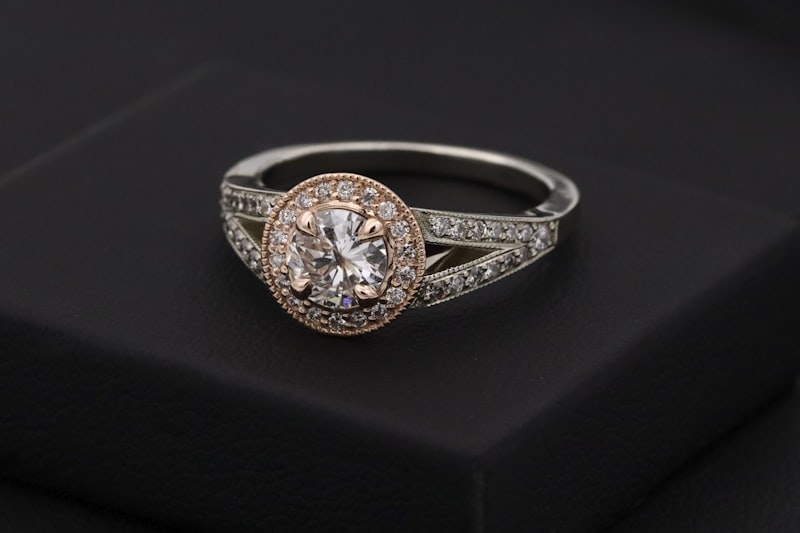
The wedding ring is perhaps the most universally recognized symbol of love and commitment. But have you ever wondered how this tradition began? The history of the wedding ring stretches back over 5,000 years and spans nearly every civilization on earth, each adding layers of meaning to this simple yet powerful symbol.
Ancient Origins: Egypt and Rome
The earliest known wedding rings date to ancient Egypt, approximately 3,000 BCE. Egyptians exchanged rings made from braided reeds, leather, or bone. The circle—having no beginning and no end—symbolized eternity and the everlasting nature of love. The opening in the center represented a gateway to the future.
The ancient Romans adopted and formalized the practice. Roman brides received an iron ring called "anulus pronubus" as a symbol of strength, permanence, and the binding legal agreement of marriage. By the 2nd century CE, gold rings became common among wealthier Romans, reflecting both love and social status.
The "Vein of Love"
The tradition of wearing the wedding ring on the fourth finger of the left hand comes from an ancient belief in the "vena amoris" or "vein of love." Romans believed this finger contained a vein that ran directly to the heart. While modern anatomy has disproved this specific connection, the romantic tradition has endured for over two millennia.
Medieval and Renaissance Developments
During the Middle Ages, wedding rings became more ornate. Gimmel rings—interlocking bands that fitted together to form one ring—became popular during betrothals. Each partner would wear one band during the engagement, then join them at the ceremony.
Posy rings, inscribed with romantic phrases or poems on the inside of the band, flourished during the Renaissance. Common inscriptions included phrases like "United Hearts Death Only Parts" and "Love is the bond of peace." This tradition of personal inscription continues today.
The Diamond Engagement Ring
The first recorded diamond engagement ring was given by Archduke Maximilian of Austria to Mary of Burgundy in 1477. However, diamond engagement rings didn't become mainstream until 1947, when De Beers launched its legendary "A Diamond is Forever" campaign. This marketing effort fundamentally changed American culture, establishing the diamond engagement ring as an essential symbol of betrothal.
Modern Wedding Ring Traditions
Today's wedding rings reflect both tradition and individuality. While plain gold bands remain a classic choice, couples increasingly choose rings that express their personal style:
- Eternity bands: Diamonds encircling the entire band, symbolizing never-ending love
- Mixed metals: Combining yellow, white, and rose gold in a single design
- Matching sets: Coordinated his-and-hers bands that complement each other
- Engraved bands: Continuing the posy ring tradition with personal messages, dates, or coordinates
- Textured finishes: Hammered, brushed, or sandblasted surfaces for a contemporary feel
Cultural Variations
Different cultures wear wedding rings on different hands. In many European countries including Germany, Russia, and India, the ring is worn on the right hand. Some cultures use the left hand, and others vary by stage—engagement on the left, wedding on the right, or vice versa. In some traditions, both partners wear rings; in others, only one does.
At Prestige Diamonds in Paramus, NJ, we honor the timeless tradition of the wedding ring while helping you create something uniquely yours. From classic gold bands to diamond-set eternity rings, our collection spans every style and price point. Visit us at 327 E State Route 4, or call (201) 488-4280 to explore your options.