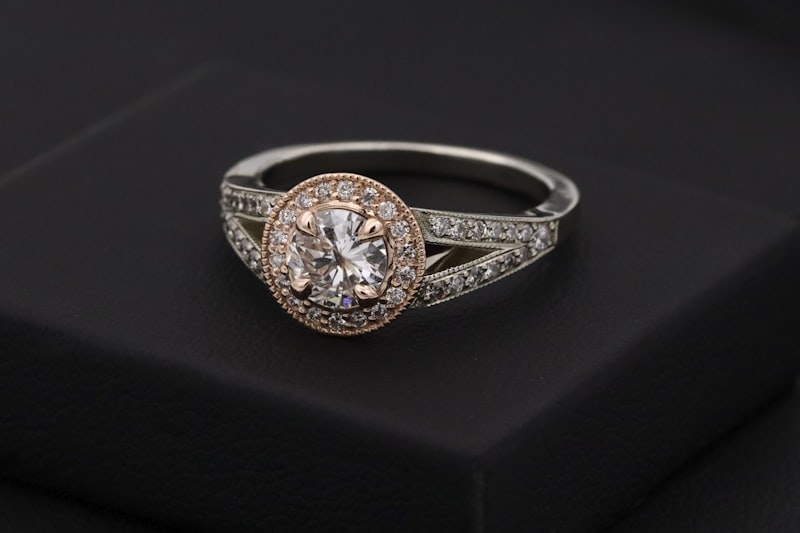
The metal you choose for an engagement ring or fine jewelry piece is just as important as the stone it holds. Gold and platinum are the two most popular options, and each comes with distinct advantages. Here's a straightforward comparison to help you decide.
Gold: The Classic Choice
Gold has been the standard in jewelry for thousands of years. In its pure form (24 karat), gold is too soft for everyday wear, so it's alloyed with other metals to increase strength.
Types of Gold
- Yellow Gold: The classic warm tone. Available in 10K, 14K, and 18K, with higher karat indicating more pure gold content
- White Gold: Alloyed with palladium or nickel and plated with rhodium for a silvery-white finish. A popular choice for modern engagement rings
- Rose Gold: Alloyed with copper for a warm, pinkish hue. Increasingly popular for its romantic, vintage-inspired appearance
Gold Pros
- More affordable than platinum
- Available in multiple colors (yellow, white, rose)
- Lightweight and comfortable for everyday wear
- Easy to resize and repair
- Widely available in all jewelry styles
Gold Cons
- White gold requires periodic rhodium replating (every 1–2 years)
- Softer than platinum, especially at higher karats
- Can trigger nickel allergies in some white gold alloys
Platinum: The Premium Choice
Platinum is one of the rarest and most durable precious metals used in fine jewelry. Its naturally white color never fades or changes over time.
Platinum Pros
- Extremely durable — ideal for securing precious stones
- Naturally hypoallergenic
- Never needs replating — maintains its color permanently
- Develops a distinguished patina over time (can be polished to restore shine)
- Denser and heavier, giving a premium feel
Platinum Cons
- 30–50% more expensive than comparable gold pieces
- Heavier weight may not suit everyone
- Scratches show differently — metal displaces rather than wearing away
- Slightly more difficult to resize
Head-to-Head Comparison
| Factor | Gold (14K) | Platinum |
|---|---|---|
| Durability | Good — suitable for daily wear | Excellent — the most durable precious metal |
| Color Options | Yellow, white, rose | Naturally white only |
| Price Range | $$ | $$$ |
| Maintenance | White gold needs replating | Occasional polishing |
| Weight | Lighter | 60% heavier |
| Hypoallergenic | Depends on alloy | Yes |
| Resizing | Easy | More involved |
Which Metal Is Best for Engagement Rings?
Both metals are excellent choices. Here's a quick guide based on priorities:
- Choose gold if: You want color options, a lighter ring, or a more budget-friendly choice without sacrificing beauty
- Choose platinum if: You want the most durable setting for your diamond, have sensitive skin, or prefer a low-maintenance ring that lasts generations
What About Wedding Bands?
Your wedding band doesn't have to match your engagement ring's metal exactly, but staying within the same color family creates a cohesive look. If your engagement ring is white gold, a platinum band pairs beautifully — and vice versa.
One practical tip: if you're wearing two rings together daily, using the same metal prevents the harder metal from wearing down the softer one over time.
Expert Advice from Prestige Diamonds
At Prestige Diamonds, we carry engagement rings, wedding bands, and fine jewelry in every metal option. Our team will help you compare pieces side by side so you can see and feel the difference firsthand. With 35+ years serving Bergen County, we'll guide you to the metal that fits your style, budget, and lifestyle perfectly.