Sapphire engagement rings have captivated romantics for centuries. From Princess Diana's iconic blue sapphire ring—now worn by Catherine, Princess of Wales—to modern couples seeking a unique alternative to traditional diamonds, sapphires offer breathtaking color, exceptional durability, and deep symbolism.
Why Choose a Sapphire?
Sapphires are the second hardest natural gemstone, rating 9 on the Mohs hardness scale (just below diamond at 10). This exceptional hardness makes them ideal for everyday wear in an engagement ring. They resist scratching and maintain their polish over decades of daily use.
Beyond durability, sapphires carry rich symbolism. Historically associated with loyalty, wisdom, and nobility, they represent the depth and steadfastness of lasting love. Their vibrant color ensures your ring will always stand out.
Sapphire Colors Beyond Blue
While blue is the most famous sapphire color, these gemstones actually come in virtually every color of the rainbow:
- Blue: The classic choice, ranging from pale cornflower to deep royal blue. The most prized shade is a medium-toned, vivid "cornflower blue"
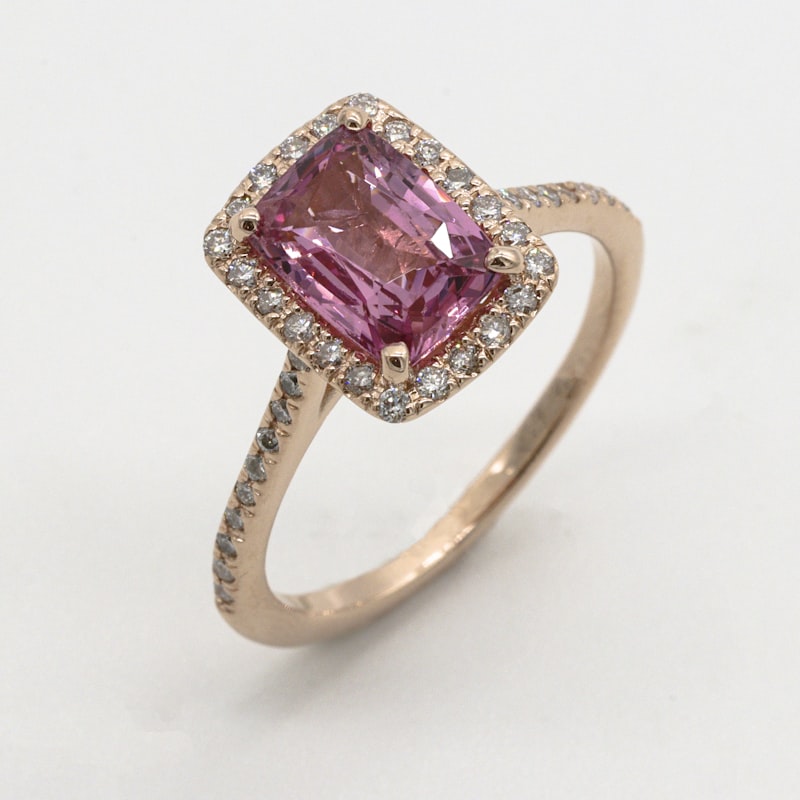
- Pink: Ranging from delicate pastel to vivid hot pink, these are increasingly popular for engagement rings
- Yellow: Bright and cheerful, yellow sapphires offer a unique alternative to yellow diamonds at a fraction of the cost
- Padparadscha: An extremely rare pinkish-orange color, among the most coveted gemstones in the world
- White: Colorless sapphires that can resemble diamonds at a lower price point
- Teal/Montana: Blue-green sapphires that have surged in popularity for their unique, modern appeal
Evaluating Sapphire Quality
Unlike diamonds, sapphires don't have a universally standardized grading system. However, quality is assessed based on similar criteria:
- Color: The most important factor. Look for vivid, even saturation without being too dark or too light
- Clarity: Sapphires naturally contain more inclusions than diamonds. "Eye-clean" is the standard to aim for
- Cut: A well-cut sapphire maximizes color and brilliance. Symmetry and proportions matter
- Origin: Kashmir, Burma (Myanmar), and Sri Lanka sapphires are traditionally the most valued
Setting Styles for Sapphires
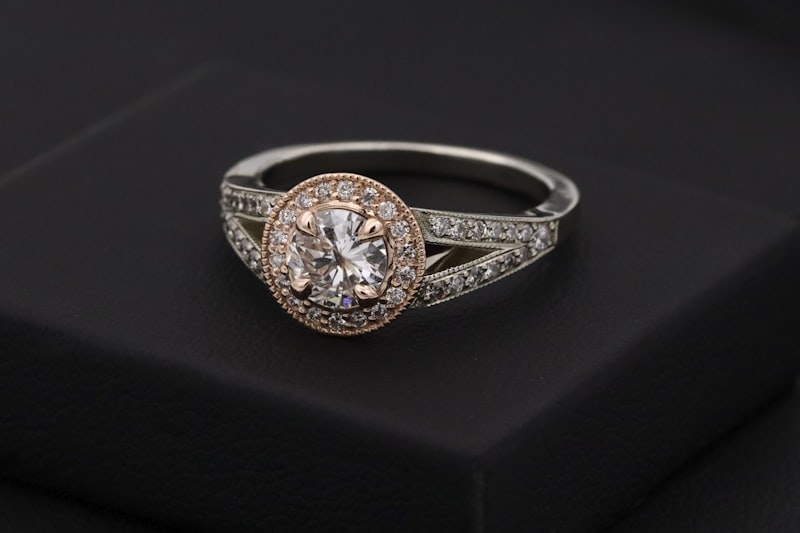
Sapphires pair beautifully with various setting styles. A diamond halo surrounding a center sapphire is one of the most popular choices, as the white diamonds create a stunning contrast that intensifies the sapphire's color. Three-stone settings with sapphire center and diamond side stones are another elegant option, echoing the classic royal engagement ring design.
For metal choice, white gold and platinum complement blue sapphires beautifully, while yellow gold creates a warm, vintage-inspired look. Rose gold paired with pink or peach sapphires creates a romantic, modern aesthetic.
Caring for Your Sapphire Ring
Sapphires are low-maintenance gemstones. Clean them with warm soapy water and a soft brush. Avoid ultrasonic cleaners if your sapphire has been fracture-filled (your jeweler will advise). Have your ring professionally inspected and cleaned annually to ensure the setting remains secure.
At Prestige Diamonds in Paramus, NJ, we carry a curated selection of fine sapphires alongside our GIA-certified diamonds. Whether you're drawn to a classic blue sapphire or a rare padparadscha, our gemologists can help you find the perfect stone and design a ring that's uniquely yours. Visit us at 327 E State Route 4, or call (201) 488-4280.