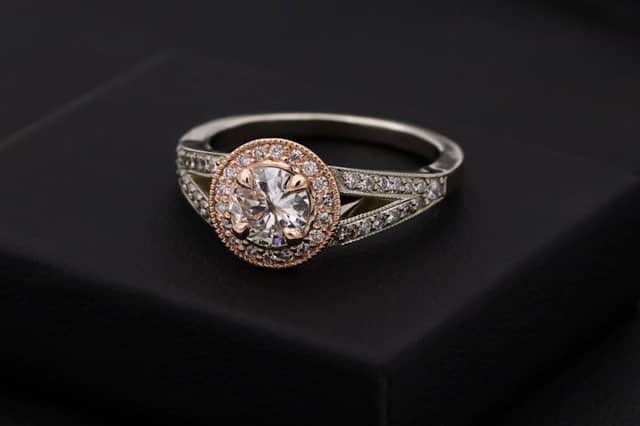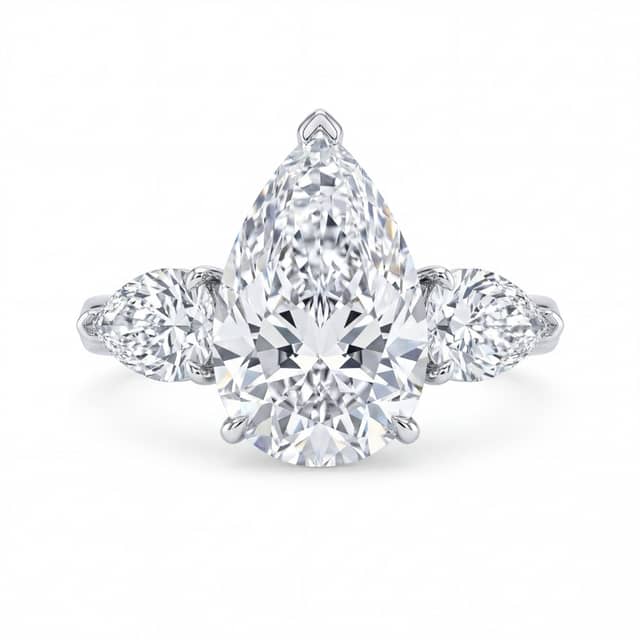
The biggest engagement ring trend of 2026 is lab-grown: lab-grown center stones were 61% of engagement ring purchases among couples married in 2025, up 239% since 2020. Round and oval are nearly tied as the top shapes, yellow gold keeps climbing, and the average ring cost $4,600 with a 1.9-carat average weight. All figures below are from The Knot's 2026 Real Weddings Study unless noted.
Are lab-grown diamonds the top engagement ring trend?
Yes, by a wide margin. The Knot reports that "lab-grown center stones now account for 61% of all engagement ring purchases, a +239% increase since 2020," and that 40% of couples said it was specifically important that their stone be lab-grown (The Knot Real Weddings Study 2026). The same study puts the average lab-grown engagement ring at $4,300 with a 2.0-carat center, against $7,000 and 1.6 carats for natural stones.
Every diamond in our online catalog is lab-grown. For the trade-offs, see lab-grown vs. natural diamonds: price, value and resale.
What engagement ring shapes are trending in 2026?
Round and oval lead almost evenly: "The most popular shape is round (26%), followed by oval (25%). Other top ring shapes include emerald (8%), princess (8%), pear/teardrop (8%) and marquise (8%)." Natural-stone buyers most often chose round; lab-grown buyers most often chose oval.
Shapes in our current catalog include a 3.00 ct radiant center with trapezoid side stones, a 5.40 ct TW half emerald, half oval eternity ring and princess-cut studs. Our shape guide compares them.
Is yellow gold back for engagement rings?
It is the fastest-rising metal. The Knot found yellow gold on 39% of rings, "up 140% over the last five years, while white gold continues its steady decline." Search interest points the same way: in Google Trends for "wedding band" over the last 12 months in the US, "14k yellow gold wedding band" was a rising query at +500% (pulled October 21, 2026). Yellow gold also means no rhodium plating to maintain, a point covered in our care guide.
Are solitaires still popular?
Yes: 38% of rings in the study were solitaire settings, and the share was similar for natural (41%) and lab-grown (40%) stones. A solitaire also, in GIA's words, "pairs easily with a wide range of wedding bands" (GIA, Guide to Engagement Ring Settings), which matters if you plan to stack. Our settings guide covers halo, three-stone and toi et moi styles.
Are couples designing their own rings?
Most are personalizing: 88% "made custom edits or custom designed a ring." Ring selection is also shared, with 79% of ring recipients taking part and only 21% of rings chosen without the recipient's input. If you want a one-of-one piece, our custom design process starts with sketches and a CAD model you can adjust before anything is cast.
How long do couples spend choosing a ring?
- 57% of proposers start researching more than six months before the proposal.
- 77% spend four months or less actually selecting and buying, and 63% buy within two months of proposing.
- 1 in 4 couples shop at a retailer together before the proposal.
- 64% buy in person; one-third buy online.
For timing a custom piece against a proposal date, see how long a custom engagement ring takes.
What does this mean if you are shopping now?
Start with shape, since couples rank cut and shape first. Decide early between lab-grown and natural, because it changes what your budget buys: in the study, lab-grown buyers averaged a larger center for less money. If you like yellow gold, it is both on-trend and lower-maintenance than white gold. And see rings in person before you commit; most buyers still do. You can compare our lab-grown rings at the Paramus showroom on Route 4, or book an appointment.
Source: The Knot Real Weddings Study 2026, a survey of US couples married in 2025 (full PDF here).