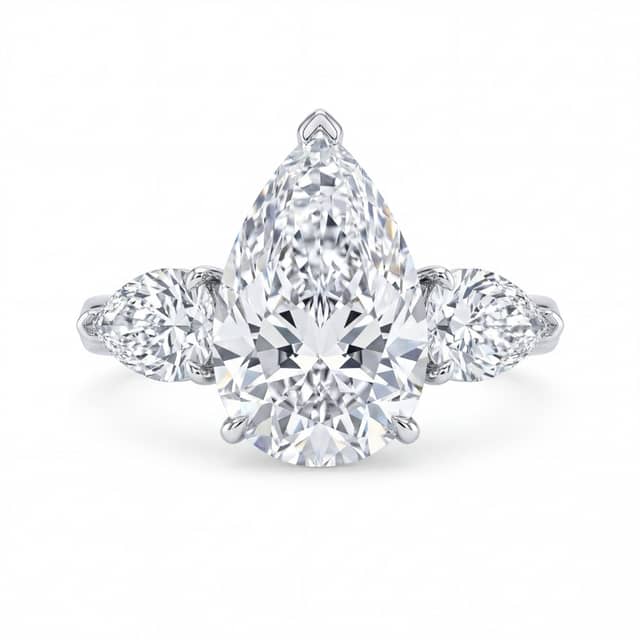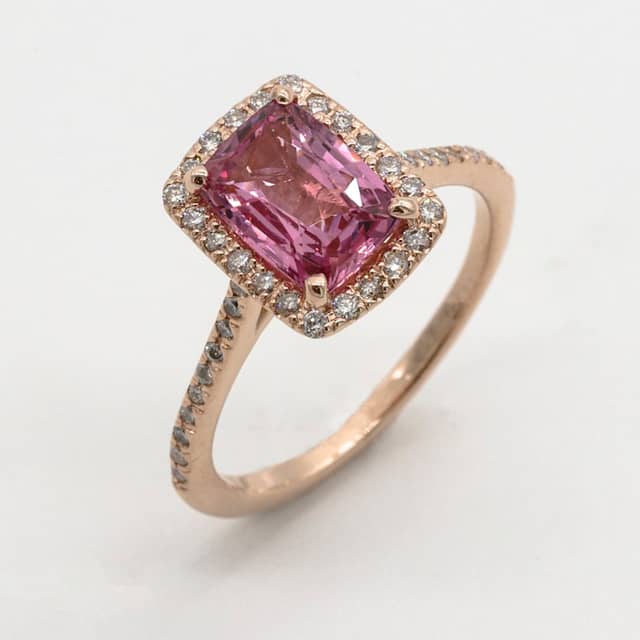
A colored diamond on the market is one of three things: a diamond with natural color, a diamond whose color was changed by treatment, or a lab-grown diamond. All three are diamonds, but they differ sharply in price, and FTC rules say the seller has to tell you which one you are buying when it matters to value or care.
Do diamonds really come in colors?
Yes. The FTC's definition of a diamond says it plainly: "It is found in many colors" (16 CFR 23.12). GIA explains that "Some trace elements can influence its color or crystal shape" (GIA, Diamond Description).
Natural, treated or lab-grown: what is the difference?
| Type | Where the color comes from | What the seller must tell you |
|---|---|---|
| Natural color | Formed with the color in the earth | Nothing extra, but any grade quoted should name the grading system |
| Color-treated | A natural or lab-grown diamond whose color was changed after it was cut or grown | That it was treated, when the treatment is not permanent, needs special care, or significantly affects value |
| Lab-grown | Made in a lab; ask whether the color was treated | That it is lab-grown, with equal prominence, every time it is named |
When does a treatment have to be disclosed?
The FTC says it is unfair or deceptive to fail to disclose a treatment if "The treatment is not permanent," if "The treatment creates special care requirements for the gemstone," or if "The treatment has a significant effect on the stone's value" (16 CFR 23.24). For online sales, the disclosure belongs in the product description, because the Guides say it "should be made in the solicitation for, or description of, the product" when you buy without seeing it in person.
What about lab-grown colored diamonds?
They are increasingly easy to find, and the rule is the same as for any lab-grown diamond: the stone may not be called a diamond without "laboratory-grown," "laboratory-created" or a similar term in front of it, with equal conspicuousness (16 CFR 23.25). If you see a "pink diamond" priced like costume jewelry, ask what it is.
Questions to ask before you buy a colored diamond
- Is the color natural, treated, or from a lab-grown stone?
- If treated, is the treatment permanent, and does it need special care?
- Which lab graded it, and what is the report number? A quoted grade should name the grading system (16 CFR 23.1).
- Can it go in an ultrasonic or steam cleaner? Ask before any professional cleaning.
Do we sell colored diamonds?
Our online catalog does not include fancy-colored diamonds; every diamond in it is lab-grown and named that way. If you want a colored stone in a custom piece, bring it up at the consultation: sourcing a new center stone adds cost and time, and resetting a stone you already own keeps costs down. For background on lab-grown stones, read are lab-grown diamonds real diamonds? and how to tell if a diamond is lab-grown, or contact us with questions.