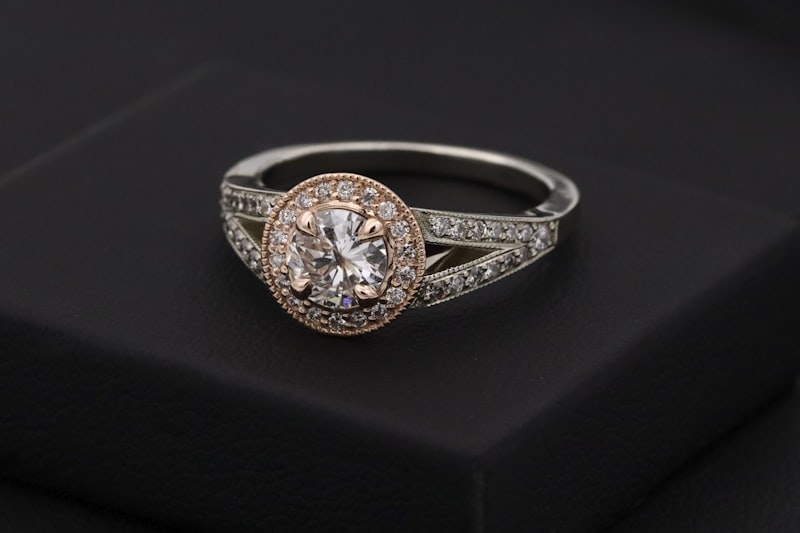
Diamond clarity refers to the absence of internal inclusions and external blemishes. Since almost all diamonds contain some natural imperfections formed during their creation deep within the earth, clarity grading helps buyers understand how these characteristics affect a diamond's beauty and value.
The GIA Clarity Scale
The Gemological Institute of America (GIA) developed the standard clarity grading scale used worldwide. Diamonds are examined under 10x magnification by trained graders who assess the size, number, position, nature, and relief of clarity characteristics.
| Grade | Name | Description |
|---|---|---|
| FL | Flawless | No inclusions or blemishes under 10x magnification |
| IF | Internally Flawless | No inclusions, only minor surface blemishes under 10x |
| VVS1-VVS2 | Very Very Slightly Included | Inclusions difficult to see under 10x magnification |
| VS1-VS2 | Very Slightly Included | Minor inclusions visible under 10x but not to naked eye |
| SI1-SI2 | Slightly Included | Inclusions noticeable under 10x, may be visible to naked eye |
| I1-I3 | Included | Inclusions obvious under 10x and visible to naked eye |
What Are Diamond Inclusions?
Inclusions are natural characteristics that formed when the diamond crystallized billions of years ago under extreme heat and pressure. Common types include:
- Crystals: Tiny mineral crystals trapped inside the diamond
- Feathers: Small fractures that appear feather-like under magnification
- Clouds: Groups of tiny pinpoint inclusions that can create a hazy appearance in larger clusters
- Needles: Thin, elongated crystal inclusions
- Twinning Wisps: Groups of inclusions formed during crystal growth
Not all inclusions are equal. Their impact on beauty depends on where they're located, how large they are, and whether they affect the diamond's ability to reflect light.
The "Eye-Clean" Sweet Spot
The term "eye-clean" refers to diamonds where inclusions are not visible to the naked eye when viewed face-up at a normal viewing distance. For most buyers, this is the optimal target—you get a diamond that looks perfect without paying for grades that only matter under magnification.
Generally, VS2 and VS1 grades are consistently eye-clean across all diamond shapes. Many SI1 diamonds are also eye-clean, but this varies by individual stone and shape. Step-cut shapes like emerald and Asscher cuts show inclusions more readily than brilliant cuts, so you may want to go slightly higher in clarity for those shapes.
Where Position Matters
An inclusion near the edge of a diamond can often be hidden by the setting's prongs, while an inclusion directly beneath the table facet (the flat top) is more likely to be visible. This is why examining each diamond individually is so important—two SI1 diamonds can look very different depending on inclusion placement.
Clarity and Value
The price difference between clarity grades can be significant. A 1-carat round diamond in VS2 might cost 15-25% less than the same diamond in VVS2, despite looking identical to the naked eye. That savings can be redirected toward a better cut grade or larger carat weight—both of which have a greater visual impact.
Our Recommendation
For most engagement ring buyers, we recommend targeting VS1-VS2 clarity. These grades offer the best balance of beauty and value. For step-cut diamonds (emerald, Asscher), consider VS1 or higher. For brilliant cuts (round, oval, cushion), SI1 can be an excellent value if the stone is individually inspected to confirm it's eye-clean.
At Prestige Diamonds in Paramus, NJ, our GIA-certified gemologists will show you diamonds across clarity grades so you can see the differences firsthand. We'll help you find the clarity sweet spot that maximizes your budget. Visit us at 327 E State Route 4, Paramus, or call (201) 488-4280.