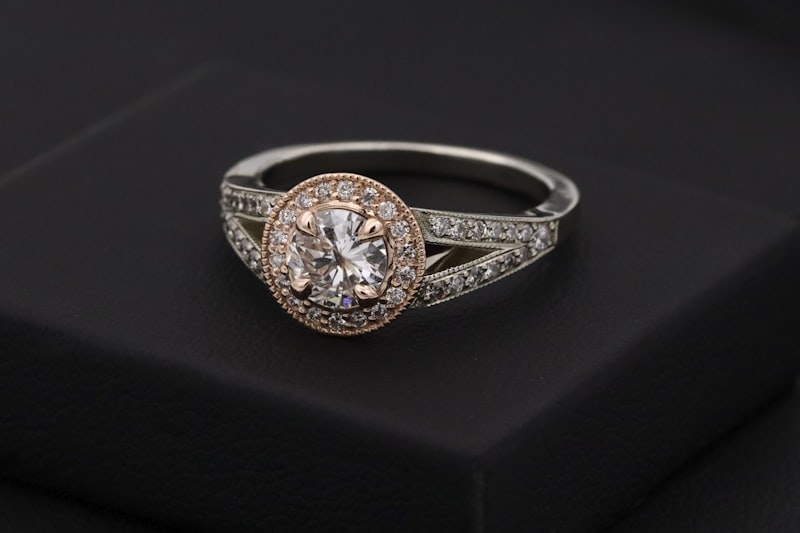
The metal you choose for your engagement ring or wedding band affects everything from the ring's appearance and durability to its maintenance requirements and cost. Each metal has distinct characteristics that make it better suited to different lifestyles and preferences. Here's everything you need to know to make the right choice.
Platinum
Platinum is the most premium and durable precious metal used in fine jewelry. It's naturally white, hypoallergenic, and incredibly dense, making it the ideal choice for securing valuable diamonds.
- Purity: Typically 95% pure (950 platinum), compared to 58.5% for 14k gold
- Durability: Doesn't wear away—metal displaces rather than wearing off. Over decades, a platinum ring loses virtually no metal
- Color: Naturally white, never needs rhodium plating
- Patina: Develops a soft matte finish over time that many consider more elegant. Can be re-polished to original shine
- Cost: 40-60% more expensive than 14k white gold due to density and purity
- Best for: Those who want the most durable, lowest-maintenance option and don't mind the premium price
White Gold
White gold is a popular alternative to platinum that offers a similar appearance at a lower price point. It's made by alloying yellow gold with white metals like palladium, nickel, or silver, then plating with rhodium for a bright white finish.
- Purity: Available in 14k (58.5% gold) and 18k (75% gold)
- Durability: 14k is harder than 18k due to higher alloy content. Both are suitable for daily wear
- Maintenance: Requires rhodium re-plating every 1-2 years as the plating wears to reveal the slightly yellowish base metal
- Cost: More affordable than platinum; 14k is the best value
- Note: Some white gold alloys contain nickel, which can cause allergic reactions. Ask for nickel-free alloys if you have sensitive skin
Yellow Gold
Yellow gold is the classic, traditional choice that never goes out of style. Its warm tone complements all skin tones and looks stunning with both colorless diamonds and colored gemstones.
- 14k vs 18k: 14k is more durable and affordable; 18k has a richer, deeper gold color
- Maintenance: No plating needed—scratch and polish as desired
- Diamond pairing: Warm-toned diamonds (G-J color) look particularly beautiful in yellow gold settings, as the metal's warmth makes slight diamond color less noticeable
- Trend: Yellow gold has surged in popularity since 2020, especially among younger buyers seeking a vintage or bohemian aesthetic
Rose Gold
Rose gold gets its romantic pink hue from copper in the alloy. It's become enormously popular for engagement rings and wedding bands due to its feminine, vintage-inspired appearance.
- Color: The copper content creates a warm, pinkish tone that's universally flattering on all skin tones
- Durability: Copper makes rose gold slightly harder than yellow or white gold
- Maintenance: Like yellow gold, no plating required. The color actually becomes slightly richer over time
- Consideration: Some people with copper sensitivities may react, though this is rare in jewelry-grade alloys
Our Recommendation
There's no wrong choice—each metal has genuine advantages. For maximum durability and minimal maintenance, choose platinum. For classic warmth, yellow gold. For modern romance, rose gold. For a bright white look at a moderate price, white gold. Consider your partner's existing jewelry for color cues, and always try on rings in multiple metals to see what looks best on their hand.
At Prestige Diamonds in Paramus, NJ, we carry rings in all four precious metals and can create custom settings in any metal or combination. See and feel the difference in person. Visit us at 327 E State Route 4, or call (201) 488-4280.